 149 min
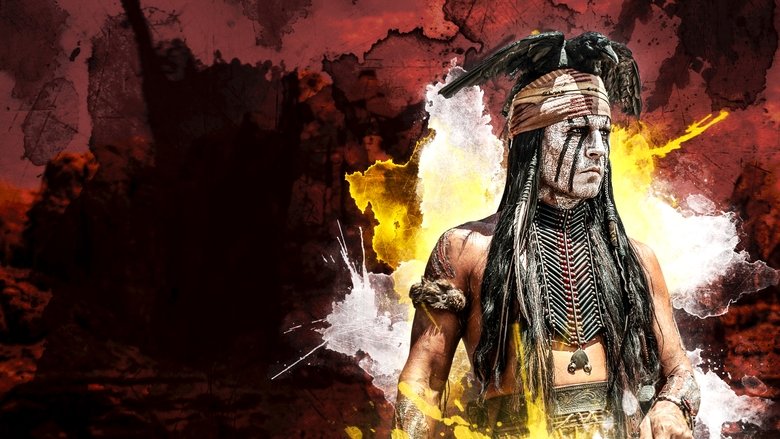
The Lone Ranger
2013★ 6.16291 votes
185 westerns from a century of cinema, all rated PG-13 or gentler.
149 min2013★ 6.16291 votes
 110 min
2010★ 7.35943 votes
 106 min
1999★ 5.33705 votes
 130 min
2005★ 6.13182 votes
 89 min
1973★ 6.81529 votes
 103 min
1986★ 6.31216 votes
 191 min
1994★ 6.8979 votes
 128 min
1969★ 7.3892 votes
 133 min
1985★ 6.9854 votes
 108 min
1972★ 7.3729 votes
 118 min
1953★ 7.3712 votes
 126 min
1966★ 7.4611 votes
 167 min
1958★ 7.6430 votes
 110 min
1954★ 7.4493 votes
 88 min
1951★ 7.449 votes
 91 min
1958★ 7.459 votes
 94 min
1939★ 7.2205 votes
 103 min
1955★ 7.1273 votes
 103 min
1954★ 7.1585 votes
 100 min
1976★ 7.1396 votes
 122 min
1965★ 7.0314 votes
 116 min
1970★ 6.5298 votes
 134 min
1972★ 7.1277 votes
 127 min
1963★ 6.6266 votes
 116 min
1994★ 5.3361 votes
 97 min
1965★ 6.4290 votes
 132 min
1980★ 6.5279 votes
 90 min
1998★ 5.5228 votes
 83 min
1925★ 6.9162 votes
 92 min
1926★ 6.949 votes
 91 min
1935★ 6.355 votes
 106 min
1939★ 6.6115 votes
The western is the oldest kind of film there is, and for sixty years it was the most popular. Its ingredients are few: a wide landscape, a small town with one street, a stranger on a horse, and a question about what is right. From those ingredients the cinema made thousands of films, among them some of the finest ever shot, and audiences from Lahore to London to Los Angeles grew up on them. WatchMoviesPK is a guide to 185 westerns, made between 1925 and the present, each with its own page, its story, its cast and a Watch now button that leads to the official services carrying it in your country.
Every film here carries an American rating of PG-13, PG or G, or was passed for general audiences before ratings began, and each was looked at again by hand. The harsher westerns of later years were left out. What remains is the classic western in all its variety: 23 films with John Wayne and ten with James Stewart, stories of lawmen and outlaws, cattle drives and wagon trains, and a good shelf of comedies and musicals for an evening when the household wants to smile.
This guide introduces the films by star, by subject and by decade, explains a little of the history behind them, and ends with plans for a first week. Each section links to a short help page, and the How to watch page sums up the simple steps from a picture card to the official service.
WatchMoviesPK keeps the layout of the site whose name it carries, which was arranged like a video-sharing page. A single dark green bar holds the name, a short menu of Home, Trending and Staff Picked, the search box and two small outlined buttons, for My List and Help. Beneath it, under the heading Video Channels, a row of buttons opens each channel, with the number of films beside its name.
The films are shown as wide picture cards, four abreast, each with a still from the film, a small label giving the running time, the title on one line, and a row with the year, the average rating and the number of votes. Trending shows the twelve films with the most votes; Staff Picked shows the highest rated; and groups for John Wayne, for comedy and music and for the early years follow. On a telephone the cards stand two abreast and the menu folds into a button.
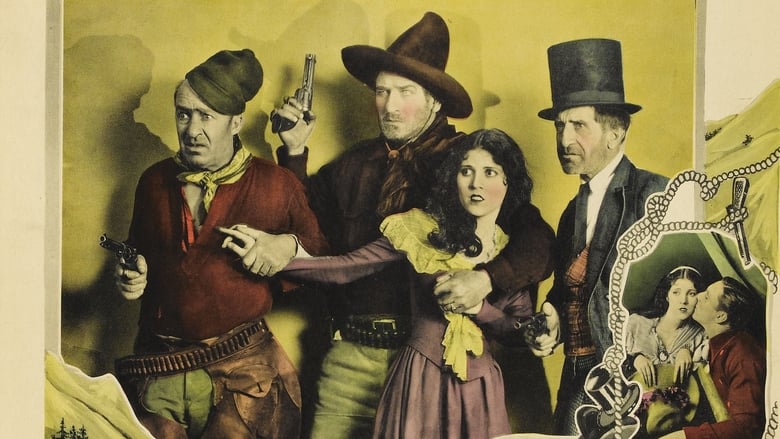
The real period that the western describes was short, roughly the thirty years between the end of the American Civil War in 1865 and the closing of the open range in the 1890s, when cattle were driven north from Texas, the railways crossed the plains, and towns sprang up faster than law could reach them. The films about it began almost at once: by the 1920s, when Go West and 3 Bad Men were made, some of the cowboys working as extras had ridden the real trails in their youth.
In the 1930s the western was mostly a cheap entertainment for Saturday afternoons, until 1939, when a group of large and handsome productions, among them Dodge City, Jesse James, Union Pacific and Destry Rides Again, made it respectable again. The years from 1946 to about 1962 were its golden age. The directors John Ford, Howard Hawks, Anthony Mann, William Wyler, George Stevens and John Sturges, and stars such as John Wayne, James Stewart, Gary Cooper, Gregory Peck, Henry Fonda and Burt Lancaster, used the form to tell serious stories about courage, community and conscience. The catalogue holds 52 films from the 1950s alone.
In the 1960s the western grew larger and more good-humoured, and in the 1970s more thoughtful, often looking back with regret on the end of the cowboy's way of life. After 1980 fewer were made, but each generation has returned to the form, and films such as Silverado, Quigley Down Under and the second True Grit show how well it still works. Knowing this outline makes each film easier to place, and the Decade by decade help page links to the channel for each period.
Western films are simple to follow, which is one reason they travelled so well. Viewers in South Asia will recognise much in them: the importance of honour and hospitality, the feud between two families over land or water, the wandering hero who rights a wrong and rides on. Several famous Indian and Pakistani films borrowed their stories, and it is a pleasure to meet the originals.
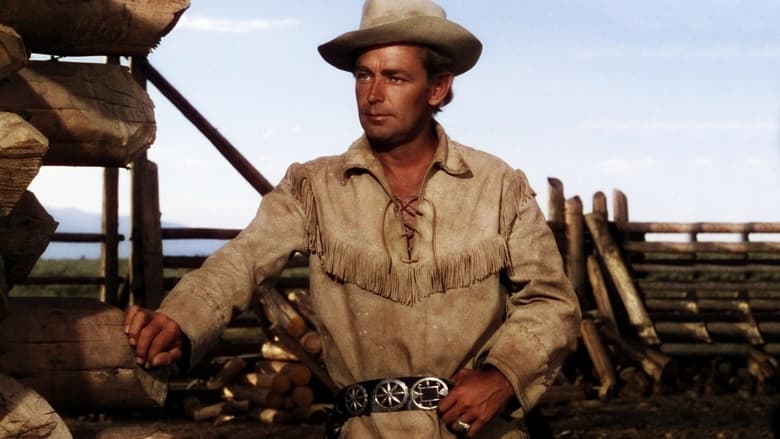
Shane, from 1953, directed by George Stevens, is the western that many people think of first, and it is the best place for a newcomer to begin. A lone rider in buckskin comes down from the mountains into a valley in Wyoming, where a farmer, his wife and their small son Joey are trying to hold their homestead against a cattle baron who wants the whole range. The stranger, who gives his name only as Shane, takes work on the farm and puts away his gun. The boy worships him. When the cattleman sends for a hired gunfighter, a thin smiling man in black gloves, Shane must decide whether to take the gun out again.
The story is told through the eyes of the child, which gives it the quality of a legend remembered, and the last scene, with the boy calling after the rider across the valley, is one of the most famous in cinema. Alan Ladd plays Shane, Van Heflin and Jean Arthur the farmer and his wife, and Jack Palance the gunfighter. The photography of the Teton mountains won an Academy Award. Parents will find it an excellent film to watch with children of ten and over, since it treats a fight as a grave thing with a cost.
The John Wayne channel holds 23 films, and the John Wayne help page suggests an order for them. Wayne was born Marion Morrison in Iowa in 1907, played football at university, carried furniture at a film studio, and spent the 1930s in dozens of cheap westerns before a single film of 1939 made him a star. For the next forty years he was the western: tall, slow-moving, with a rolling walk and a way of speaking that paused in the middle of a sentence, and his friends called him Duke.
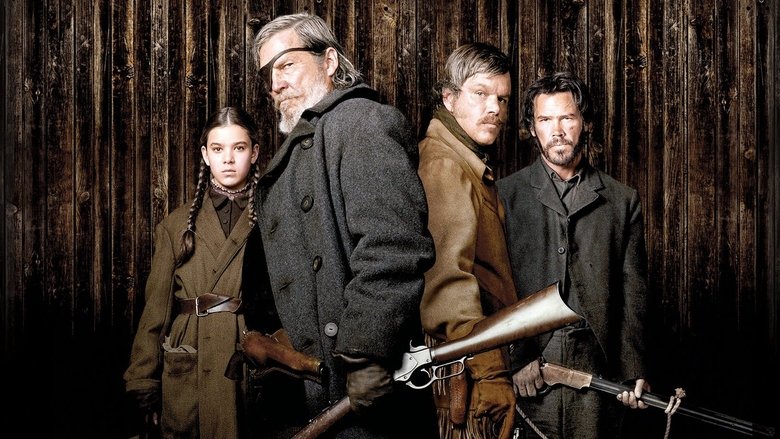
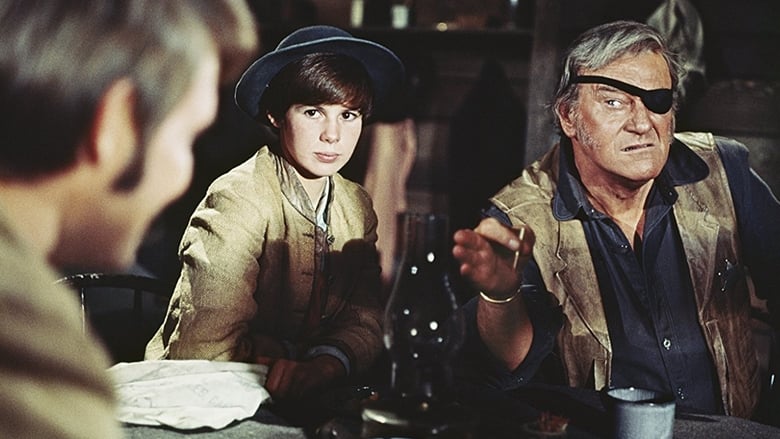
True Grit, from 1969, brought him his Academy Award. He plays Rooster Cogburn, a fat, one-eyed, hard-drinking marshal hired by a fourteen-year-old girl, Mattie Ross, to bring in the man who shot her father. Mattie, who is cleverer and more stubborn than any adult in the story, insists on riding along. Wayne plays against his own heroic image with great enjoyment, and returned to the part in Rooster Cogburn, opposite Katharine Hepburn. The story was filmed again in 2010 by the Coen brothers, as True Grit, with Jeff Bridges and a remarkable young actress, Hailee Steinfeld; that version follows the novel more closely and keeps its old-fashioned, formal way of speaking.
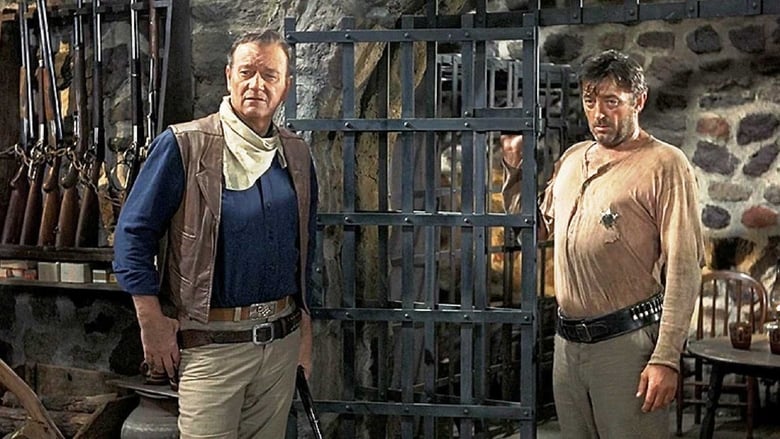
El Dorado, from 1966, directed by Howard Hawks, is the most relaxed and likeable of his later films. A hired gun, played by Wayne, his old friend the sheriff, played by Robert Mitchum, a young man who is useless with a pistol and a deputy who is older than the hills defend a ranching family against a land grabber. The four spend as much time teasing each other as fighting, and that is the charm of it. Rio Lobo, from 1970, was the last film Hawks made.
The Shootist, from 1976, was Wayne's own last film, and it is a moving farewell. J. B. Books, a famous gunfighter grown old, rides into Carson City in 1901, the age of the tram and the telephone, to see a doctor, played by James Stewart, and learns that he has only weeks left. He takes a room with a widow, played by Lauren Bacall, and her son, and sets about ending his life with dignity. Wayne was himself ill when he made it, and the film opens with scenes from his own earlier pictures.
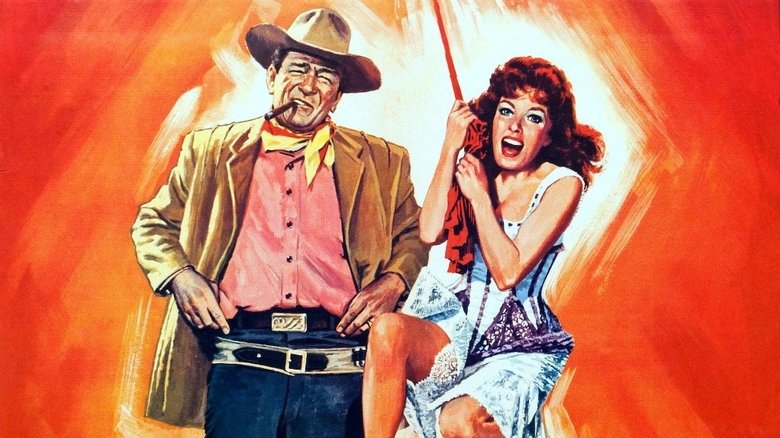
For family viewing the channel offers The Cowboys, from 1972, in which a rancher whose hands have run off to a gold strike hires eleven schoolboys to drive his herd four hundred miles; McLintock!, a boisterous comedy with Maureen O'Hara; 3 Godfathers, directed by John Ford, in which three bank robbers crossing the desert find a baby and promise its mother to bring it to safety, a Christmas parable of the West; and Angel and the Badman, in which a wounded gunman is nursed by a Quaker family and their daughter. The Sons of Katie Elder, The Comancheros, Hondo, Big Jake, Chisum, The Undefeated, The Train Robbers and Cahill: United States Marshal are solid adventures, and six films from the 1940s, among them Dark Command, The Spoilers and Tall in the Saddle, show the young star on his way up.
The James Stewart channel holds ten films, and the James Stewart help page explains why they matter. Stewart was the gentle, stammering hero of the comedies of the 1930s. After the war he changed, and in a series of westerns directed by Anthony Mann he played men with a hard past and a short temper, struggling to become decent. Three of the series are here. In Bend of the River, from 1952, he guides a wagon train of settlers to Oregon and must get their winter supplies to them over the mountains. In The Far Country, from 1954, he drives cattle to the gold fields of the Yukon and insists that other people's troubles are theirs to solve. In The Man from Laramie, from 1955, he arrives in a lonely town to find out who sold rifles to the raiders who ambushed his brother's troop.
Mann filmed these stories in real mountains, rivers and snowfields, and made the landscape part of the drama: the higher the characters climb, the nearer they come to the truth. Stewart rode the same horse, Pie, in all of them, and wore the same battered hat.
The lighter side of the actor is seen in Destry Rides Again, from 1939, in which a new deputy arrives in a lawless town carrying a parasol and a birdcage, declines to wear a gun, and tames the place with stories and patience, while Marlene Dietrich sings on the bar of the saloon. The Rare Breed has him escorting a prize English bull to Texas, with Maureen O'Hara as its owner. Night Passage, in which he plays the accordion, Two Rode Together, Firecreek, with Henry Fonda, and Bandolero! complete the channel, and he is the doctor in The Shootist.
The Big Country, from 1958, has the highest rating among the best-known films on WatchMoviesPK. A sea captain from the East, played by Gregory Peck, arrives in the West to marry the daughter of a rich rancher, and finds himself in the middle of a long feud between two families over a river where both must water their cattle. Everyone expects him to prove himself in the usual ways, by riding a wild horse in public, by answering an insult with his fists. He declines, quietly, because he feels he has little to prove, and does both things later with nobody watching.
William Wyler directed it on an enormous scale, with horizons that seem to go on for ever and one of the best musical scores ever written for a western, by Jerome Moross. Charlton Heston plays the foreman, Jean Simmons the schoolteacher who owns the river, and Burl Ives, who won the Academy Award, the rough head of the rival family. It is a western about the courage to refuse a fight, and it runs for nearly three hours, with a natural break in the middle.
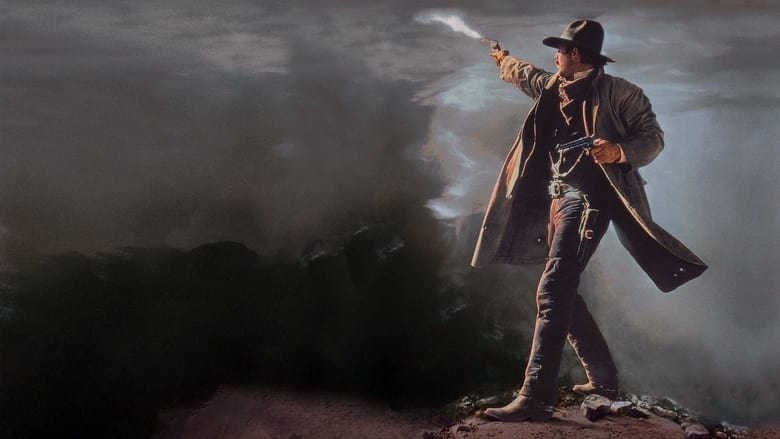
The Lawmen and outlaws channel holds 78 films, and the Lawmen and outlaws help page groups them by the famous names. Wyatt Earp, the marshal of Tombstone, and his friend Doc Holliday, the gambler and dentist, are the subject of three. Gunfight at the O.K. Corral, from 1957, with Burt Lancaster and Kirk Douglas, builds to the celebrated thirty seconds of shooting and has a ballad to carry the story along. Ten years later the same director, John Sturges, made Hour of the Gun, which begins with the gunfight and tells, more soberly, what came after. Wyatt Earp, from 1994, with Kevin Costner, follows the whole life.
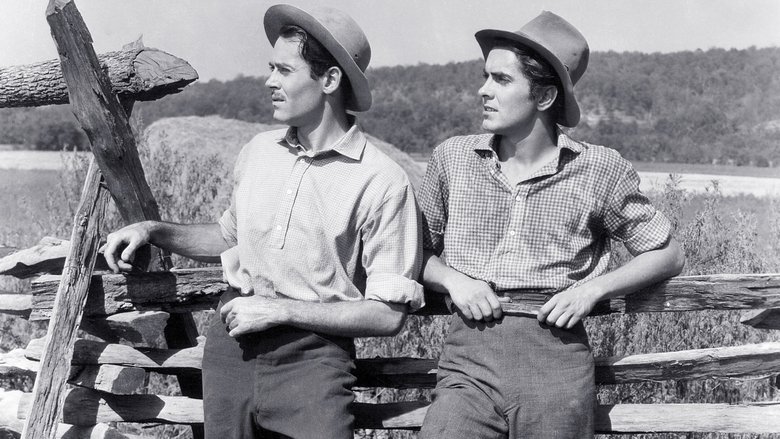
The outlaw Jesse James is treated as a wronged farmer's son in Jesse James, from 1939, with Tyrone Power and Henry Fonda, and its sequel The Return of Frank James; more critically in The True Story of Jesse James and The Great Northfield Minnesota Raid; and as a comedy of high spirits in American Outlaws. Billy the Kid is played by Paul Newman in The Left Handed Gun, Judge Roy Bean by Walter Brennan, who won the Academy Award, in The Westerner, and by Newman in The Life and Times of Judge Roy Bean.
The films about sheriffs are often the most thoughtful. In The Tin Star, from 1957, a former lawman turned bounty hunter, played by Henry Fonda, teaches a young sheriff how to do the job and to stay alive. In Warlock, a town hires a famous gunman as its marshal and then wonders how to be rid of him. The Fastest Gun Alive is about a shopkeeper with a secret skill he wishes he lacked, Man with the Gun and Invitation to a Gunfighter about hired town-tamers, and Firecreek about a part-time sheriff who must stand up alone.
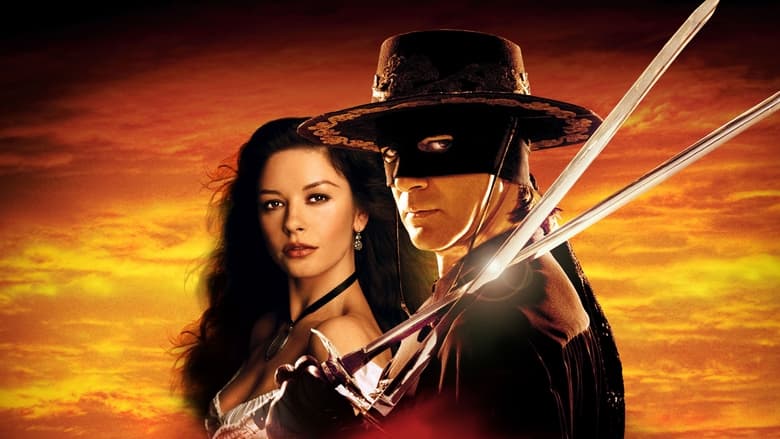
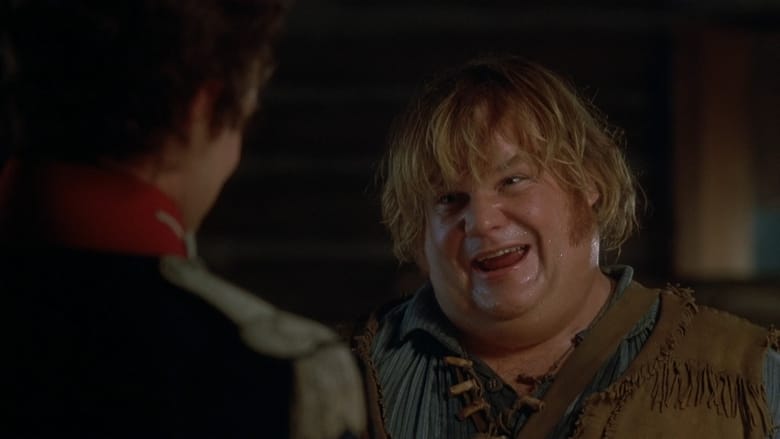
Zorro, the masked champion of old California, and the Lone Ranger, the masked rider of Texas, are the lawmen of legend. The Sign of Zorro, from 1958, made from the beloved Disney television series, and The Legend of Zorro, from 2005, with Antonio Banderas and Catherine Zeta-Jones, are both good family films, and Zorro, The Gay Blade is an affectionate comedy. The Legend of the Lone Ranger and The Lone Ranger, from 2013, a huge and playful production with trains, tell how the ranger came by his mask and his friend Tonto.
The Trails and ranches channel holds 79 films, and the Trails and ranches help page divides them between journeys and homes. The journey is the western's oldest story. Wagon Master, from 1950, one of John Ford's own favourites among his films, follows a wagon train of Mormon settlers to a promised valley, guided by two young horse traders; it has little plot and great beauty, with songs by a famous cowboy group. Westward the Women, from 1951, is a remarkable film about a hundred and forty women who cross two thousand miles of desert and mountain to become the wives of farmers in California, and who do the driving, shooting and wheel-mending themselves.
The Way West, Bend of the River, The Last Wagon and How the West Was Won are other films of the wagon trail. The cattle drive is the subject of The Cowboys, The Tall Men, with Clark Gable, Cowboy, in which a hotel clerk played by Jack Lemmon learns the trade the hard way from Glenn Ford, and The Last Sunset. The Big Sky, from 1952, directed by Howard Hawks, goes up the Missouri river by keelboat in the 1830s, and The Far Country and The Spoilers go north to the gold fields.
The ranch films are about holding on. The Sheepman, from 1958, is a comedy in which Glenn Ford brings a flock of sheep into cattle country and enjoys the fuss. The Violent Men is about a rancher forced to defend his land. Monte Walsh, from 1970, with Lee Marvin, and Will Penny, from 1967, with Charlton Heston, are two fine, quiet films about ageing cowhands who find the work disappearing; Heston thought it his best performance. Comes a Horseman, The Electric Horseman, Junior Bonner, The Lusty Men and 8 Seconds bring the story into the twentieth century, to the modern ranch and the rodeo.
How the West Was Won, from 1962, is the grandest production in the catalogue. It follows one family through four generations and five chapters, the rivers, the plains, the Civil War, the railway and the outlaws, each chapter the work of a celebrated director. The cast reads like a roll call of Hollywood: James Stewart, John Wayne, Gregory Peck, Henry Fonda, Debbie Reynolds, Carroll Baker, Richard Widmark, George Peppard and a dozen more, with Spencer Tracy as the narrator.
It was made in Cinerama, a process that used three cameras side by side to fill an enormous curved screen, and on a television the two faint joins between the three pictures can still be seen. The buffalo stampede, the river rapids and the fight on the moving train were filmed for real, at some danger to those involved. The film won three Academy Awards, and its theme tune is among the best known in the cinema. It is long, with an interval, and makes a fine weekend afternoon for a whole family.
The great stars channel gathers 57 films led by ten actors, and the The great stars help page introduces each. Gary Cooper, tall and sparing of words, is seen in The Westerner, Vera Cruz, Garden of Evil and The Hanging Tree, in which he plays a doctor in a gold camp in Montana. Gregory Peck, besides The Big Country, appears in Yellow Sky, set in a ghost town, The Bravados, Only the Valiant, The Stalking Moon and Billy Two Hats. Henry Fonda, the most honest face in films, leads The Tin Star, Warlock and A Big Hand for the Little Lady.
Burt Lancaster and Kirk Douglas, friends and rivals, appear in eight films each. Lancaster is the grinning adventurer of Vera Cruz, the frontiersman of The Kentuckian, which he also directed, a leader of The Professionals and the ageing constable of Valdez Is Coming. Douglas is Doc Holliday at the O.K. Corral, and the star of The Last Sunset, The Way West and Posse. Robert Mitchum and Richard Widmark, also in eight each, could play a hero or a rogue with the same lazy ease: Blood on the Moon, Track of the Cat, 5 Card Stud, The Law and Jake Wade and The Last Wagon show them well.
Glenn Ford, in six films, was the most natural horseman among them, and good in comedy and drama alike. Randolph Scott, courteous and weathered, made a series of short, spare westerns late in his career with the director Budd Boetticher that are now greatly admired; The Tall T and Buchanan Rides Alone are two of them, and he is also in Western Union and Return of the Bad Men. Paul Newman appears in The Left Handed Gun, Hombre, The Life and Times of Judge Roy Bean and Buffalo Bill and the Indians, or Sitting Bull's History Lesson; Clark Gable in Call of the Wild, Boom Town, The Tall Men and The Misfits, his last film; and Clint Eastwood in Joe Kidd.
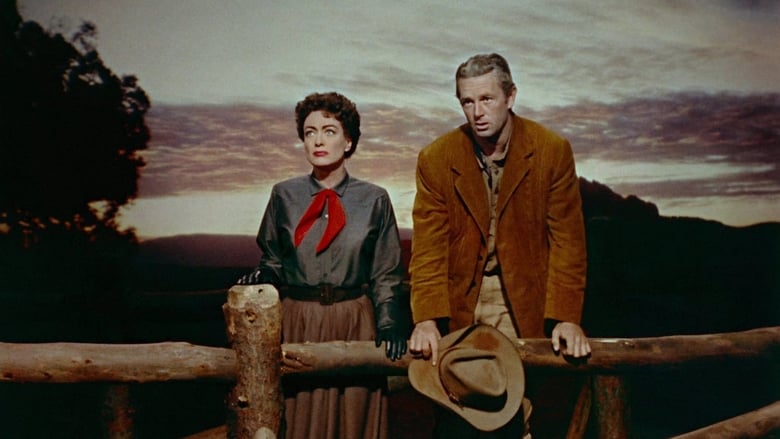
The women of the western deserve their own mention. Maureen O'Hara, who appears in four films, was a match for John Wayne in every scene they shared. Barbara Stanwyck, a superb rider who did her own stunts, leads Union Pacific and The Violent Men. Joan Crawford owns the saloon, and the film, in Johnny Guitar, from 1954, a strange and colourful western in which the two chief opponents are both women. Marlene Dietrich, Susan Hayward, Jean Arthur, Audrey Hepburn in The Unforgiven, Jane Fonda and Katharine Hepburn all left their mark on the form.
The Comedy channel holds 30 films, and the Comedy help page names the funniest. Support Your Local Sheriff!, from 1969, is the best western comedy of all. A stranger passing through a gold-rush town on his way to Australia, played by James Garner, takes the job of sheriff because it pays, and keeps a notorious prisoner in a jail still waiting for its bars, by painting a line on the floor and explaining calmly what will happen if he crosses it. Garner's unruffled manner is a joy, and Support Your Local Gunfighter repeats the pleasure with a new story.
Cat Ballou, from 1965, has a schoolteacher turned outlaw, played by Jane Fonda, two singers who stroll through the film telling her story in ballads, and Lee Marvin in two parts, a villain with a silver nose and a washed-up gunfighter who has trouble staying on his horse; he won the Academy Award. ¡Three Amigos!, from 1986, sends three actors from silent westerns, played by Steve Martin, Chevy Chase and Martin Short, to a Mexican village that has mistaken their films for the truth. The Frisco Kid, with Gene Wilder as a rabbi from Poland crossing America to reach his congregation, is as warm as it is funny.
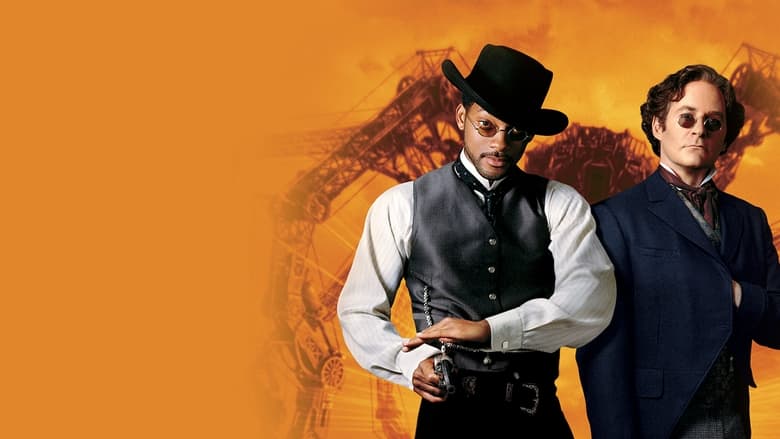
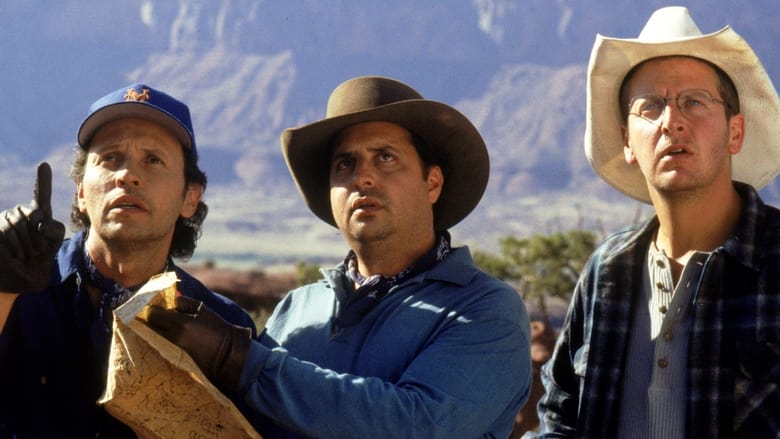
Go West, from 1925, is Buster Keaton's western, in which his only friend is a brown cow, and silent comedy needs neither translation nor explanation. The Hallelujah Trail, 4 for Texas, The Villain, which is a cartoon played by live actors, Rustlers' Rhapsody, a gentle parody of the singing cowboys, Lightning Jack, Wagons East!, Almost Heroes, City Slickers II: The Legend of Curly's Gold, Wild Wild West, From Noon Till Three, Goin' South and The Apple Dumpling Gang Rides Again, made by Disney for children, are others. McLintock!, The Sheepman and Destry Rides Again belong here as much as anywhere.
The Musicals channel is small, with seven films, and the Musicals help page lists them; two are among the most enjoyable films in the catalogue. Seven Brides for Seven Brothers, from 1954, is set in the mountains of Oregon in 1850. The eldest of seven backwoods brothers brings home a bride, who is dismayed to find six more unwashed men in the cabin and sets about civilising them, with dancing lessons. The barn-raising dance, in which the brothers compete with the men of the town on planks and sawhorses, is one of the most exciting numbers ever filmed, and the songs have stayed popular for seventy years.
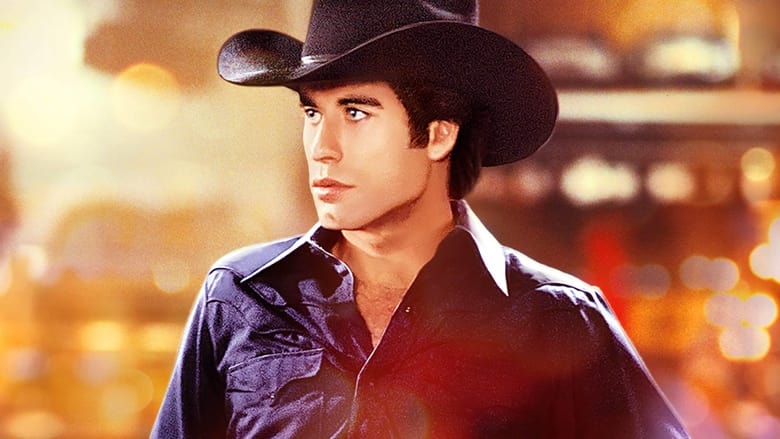
Calamity Jane, from 1953, gives Doris Day one of her best parts as the buckskin-clad stagecoach guard of Deadwood, who promises to fetch a famous actress from Chicago and brings back the maid by mistake; its song "Secret Love" won the Academy Award. Annie Get Your Gun, from 1950, with songs by Irving Berlin, tells the story of the sharpshooter Annie Oakley and the travelling show of Buffalo Bill. Elvis Presley made his first film appearance in Love Me Tender, in 1956, and sings only the title song in Charro!; Flaming Star, in which he hardly sings at all, shows that he could act. Urban Cowboy, from 1980, with John Travolta, is set in a vast dance hall in modern Texas.
More than any other kind of film, the western belonged to its directors, and the Directors help page lists the chief of them. Henry Hathaway made nine of the films here, more than anyone else: True Grit, The Sons of Katie Elder, Nevada Smith, Garden of Evil, Rawhide, 5 Card Stud, Shoot Out, The Shepherd of the Hills and a share of How the West Was Won. He was a plain, reliable craftsman who had begun as a child actor in silent westerns, and he liked to work outdoors.
John Sturges made seven, including Gunfight at the O.K. Corral, Escape from Fort Bravo, Backlash, The Law and Jake Wade, The Hallelujah Trail, Hour of the Gun and Joe Kidd; he was a master of the wide screen and of groups of men under pressure, and the three sequels to his most famous film, Return of the Seven, Guns of the Magnificent Seven and The Magnificent Seven Ride!, are on the Adventure channel. Andrew V. McLaglen, a pupil of John Ford, directed eight, most of them for John Wayne and James Stewart.
John Ford himself, the greatest of all, is represented by five: the silent 3 Bad Men, with its land rush of hundreds of wagons, 3 Godfathers, Wagon Master, Two Rode Together and his chapter of How the West Was Won. Anthony Mann has five, Howard Hawks three, and Raoul Walsh, William Wellman and Robert Aldrich four each. John Huston made The Unforgiven, The Misfits, written by the playwright Arthur Miller, and The Life and Times of Judge Roy Bean.
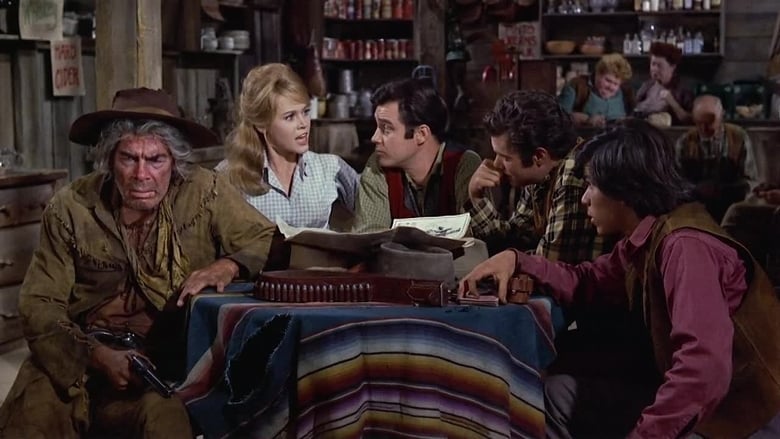
Several famous careers began or ended in the catalogue. The Left Handed Gun was the first film of Arthur Penn, The Deadly Companions the first of Sam Peckinpah, Bad Company the first of Robert Benton and Buck and the Preacher the first directed by Sidney Poitier. One-Eyed Jacks, from 1961, filmed on the coast of California with the sea breaking behind the gunfights, is the only film Marlon Brando ever directed. The Comancheros was the last film of Michael Curtiz, and Goin' South, directed by Jack Nicholson, introduced the actress Mary Steenburgen.
The Before 1950 channel holds 27 films, and the The early years help page introduces them. The two silent films are a good surprise for anyone who has yet to see one: the stories are clear, the riding is spectacular, and the music added to modern editions carries the feeling. The films of 1939 and 1940 were among the first westerns in colour, and Dodge City, with Errol Flynn cleaning up the wildest town in Kansas, Jesse James and North West Mounted Police glow with it.
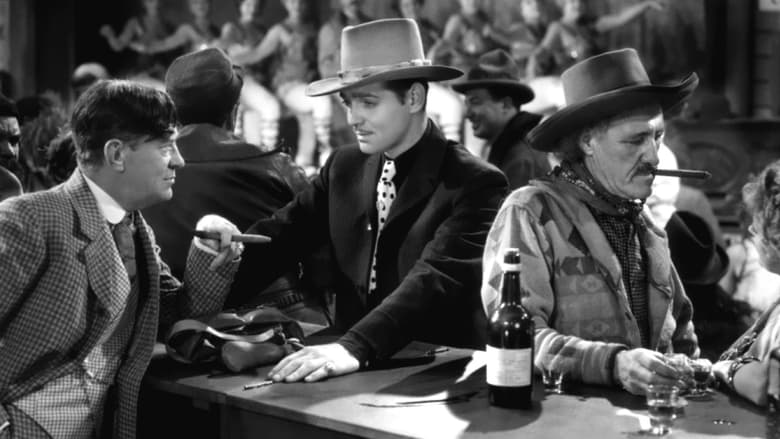
Union Pacific, from 1939, directed by Cecil B. DeMille, tells of the building of the railway across the continent, with a train wreck staged at full size. The Westerner, from 1940, sets a drifter played by Gary Cooper against Judge Roy Bean, who holds court in his own saloon. Western Union follows the telegraph line west. Canyon Passage, from 1946, is a lovely colour film of Oregon in the 1850s, and Yellow Sky, Blood on the Moon and Ramrod, all in black and white, have the shadows and tension of the mystery films of their day. Call of the Wild, from 1935, takes Clark Gable and a great dog to the Klondike.
The 1950s is the largest channel of the decades, with 52 films, and the The 1950s help page picks the landmarks. Besides Shane, The Big Country, the films of Stewart and Mann and the musicals, the decade produced Vera Cruz, in which two American adventurers hire themselves out in Mexico; Johnny Guitar; The Proud Rebel, about a father seeking a cure for his silent son, played by Alan Ladd and his own boy; The Hanging Tree; Track of the Cat, a colour film designed almost wholly in black and white; and the two Davy Crockett films made from the Disney television series that set every child in America wearing a fur cap.
It was also the decade in which the wide screen arrived. Films such as The Man from Laramie, The Tall Men, The Last Wagon and Gunfight at the O.K. Corral were composed for a picture more than twice as wide as it is high, and they should be watched in that shape, with dark bands above and below, so that the riders at the edges of the frame stay in view.
The 1960s channel holds 43 films and The 1970s holds 35. The westerns of the 1960s were large, colourful and confident. The Professionals, from 1966, sends four specialists, a dynamiter, a horse wrangler, a tracker and a tactician, into Mexico to bring back a rancher's wife, and its last scene turns the whole story round. Nevada Smith follows a young man, played by Steve McQueen, across years and half a continent. A Big Hand for the Little Lady is a western set almost entirely round a poker table, with a twist worth keeping secret.
7 Faces of Dr. Lao, from 1964, belongs in a category of its own: a mysterious old showman brings a circus to a desert town, and its marvels, each played by the same actor under different make-up, show the townspeople the truth about themselves. Children love it. The Valley of Gwangi, from 1969, in which cowboys from a Mexican rodeo find a hidden valley of dinosaurs and lasso one, was animated by the great Ray Harryhausen.
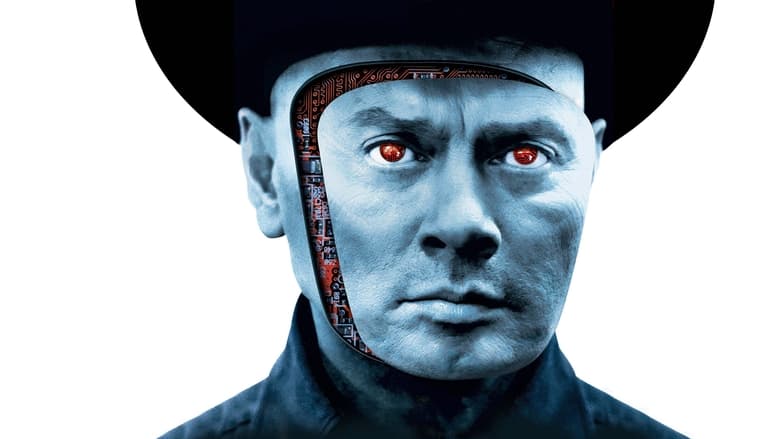
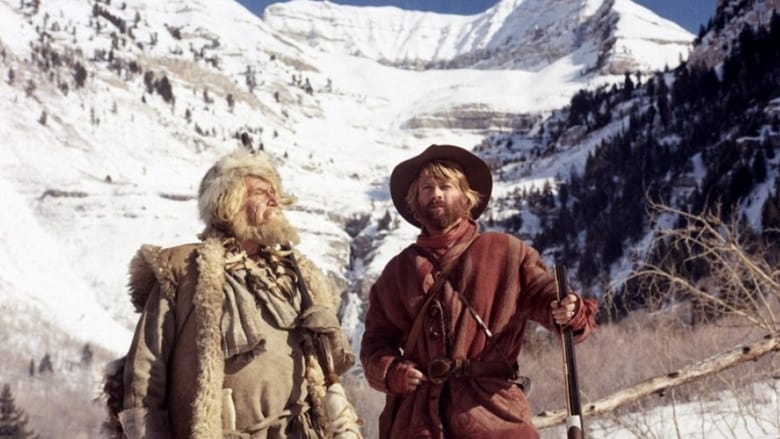
The 1970s looked back. Jeremiah Johnson, from 1972, with Robert Redford as a man who turns his back on the towns and learns to live alone in the high Rockies, is as much about snow, silence and beaver streams as about adventure, and it is among the best-loved films of its decade. Monte Walsh, Junior Bonner, Wild Rovers, The Cowboys and The Shootist are elegies for a way of life. Buck and the Preacher tells of Black settlers travelling west after the Civil War and the wagon master who guides them, a part of history the western had long passed over. Westworld, from 1973, written and directed by the novelist Michael Crichton, turns the West into a holiday park staffed by robots, and asks what happens when the machines stop obeying; it is tense in places and best for older children.
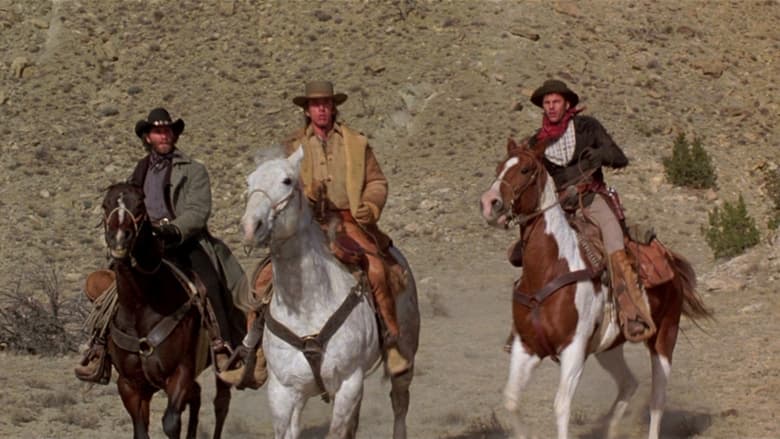
The 1980 onwards channel holds 28 films, and the 1980 onwards help page lists them. Silverado, from 1985, is the film that proved the western could still fill a cinema. Four strangers, a quiet drifter, his laughing young brother, a gambler with an English accent and a Black homesteader looking for his family, meet on the road to a town run by a crooked sheriff. The director, Lawrence Kasdan, packed in every pleasure of the form, the wagon train, the stampede, the saloon, the showdown in the street, and a splendid score, and the young Kevin Costner nearly steals it.
Quigley Down Under, from 1990, takes an American marksman with a very long rifle, played by Tom Selleck, to the Australian outback, where he discovers what his employer really wants done and changes sides. Geronimo: An American Legend treats the Apache leader with respect. Wyatt Earp, The Legend of Zorro, The Lone Ranger and the second True Grit have been mentioned; Barbarosa, with the singer Willie Nelson as a legendary outlaw, The Shadow Riders, Bonanza: The Return, Timerider: The Adventure of Lyle Swann, Oblivion, Badland, Desperate Riders and Gunfight at Rio Bravo bring the list to the present.
The Staff Picked channel gathers the 29 films rated 7 or more out of ten by viewers around the world; The Big Country, El Dorado, Johnny Guitar, Shane, Jeremiah Johnson and both versions of True Grit lead it. The Adventure channel holds 43 films, Drama 50 and Romance 22.
A western rewards attention to things that other films hurry past. Look at the land: the red buttes of Arizona and Utah, the Teton range in Shane, the Canadian Rockies in The Far Country, the white sands of New Mexico. Directors chose a landscape as carefully as an actor. Look at the riding, which was done by the stars themselves far more often than one would guess, and at the work of the stunt riders, who invented a whole craft of falls and leaps for these films.
Listen, too. The western gave film music some of its greatest themes, in The Big Country, How the West Was Won, Silverado and The Sons of Katie Elder, and many films open with a ballad that sets out the story. And notice the small ceremonies: the stranger who is offered coffee before he is asked his business, the hat taken off indoors, the grace said before a meal on the trail. These courtesies are the real subject of the best westerns, which are less about shooting than about how people who have little law to lean on manage to live decently together.
A good exercise for a family is to keep count of how seldom the hero of a classic western actually draws his gun. In Shane it is twice; in The Big Country the hero declines to carry one at all; in Destry Rides Again the deputy keeps his in a drawer. The tension of these films lies in the waiting, and in the hope, shared by the audience and the townspeople, that good sense will be enough.
The Finding titles help page explains the several ways to find a film on WatchMoviesPK. The search box in the green bar accepts a title and shows matching films as you type. The Video Channels row opens each channel, the A-Z page lists all 185 films alphabetically with their years, and the Trending page lists them by popularity.
Two films are called True Grit, from 1969 and 2010, and the year on each card tells them apart. Titles that begin with a number, 3 Bad Men, 3 Godfathers, 4 for Texas, 5 Card Stud, 7 Faces of Dr. Lao and 8 Seconds, are filed before the letter A. A single word is usually enough for the search: "seven" brings up four films, "Zorro" three, "Earp" two and "Jesse" four.
Every title has a page of the same design. The poster, the title, the year, the running time and the average rating head the page. A short account of the story comes next, with the genres, the director and the principal actors, followed by a row of related films from the same channels. The Watch now button opens the list of official services that offer the film in the country you choose.
Classic westerns are among the easiest films to find on official services. The studios that own them have restored the best known and offer them through their own streaming services and the large general ones; several free services paid for by advertisements carry a large library of older westerns; and nearly all can be rented or bought in the digital shops for a small sum. Many have soundtracks or subtitles in Urdu, Hindi and other languages, chosen in the player. Since the offers change from month to month, the list on each title page is the place to look.
The Add to My List button on each page stores a film for a later evening. The list lives inside the browser on your own device, needing neither an account nor a password, and it opens from the My List button in the green bar. The My List help page explains how to take a film off the list and how to move the list to another device.
Here are seven evenings for a household new to the western. On the first, watch Shane. On the second, Support Your Local Sheriff!, for laughter. On the third, Seven Brides for Seven Brothers, for songs. On the fourth, El Dorado. On the fifth, The Man from Laramie. On the sixth, Silverado, and on the seventh, give a long evening to The Big Country.
A second week might hold True Grit, Destry Rides Again, Jeremiah Johnson, Cat Ballou, Wagon Master, The Professionals and The Shootist. For young children, choose Davy Crockett, King of the Wild Frontier, The Sign of Zorro, The Apple Dumpling Gang Rides Again or Go West; for grandparents, How the West Was Won or Calamity Jane; and for a viewer who believes that westerns are all alike, Johnny Guitar, 7 Faces of Dr. Lao and Westworld, three films with hardly a thing in common.
Every title on WatchMoviesPK was considered by a person before it was admitted. Its certificate was checked and its story read, and the harsher westerns, however celebrated, were passed over in favour of films a household can share. Older films reflect the attitudes of their time, especially towards the Native peoples of America, and those that lean on unkind caricature were set aside; several films in the catalogue, among them Geronimo: An American Legend, Flaming Star, Hombre and Buffalo Bill and the Indians, or Sitting Bull's History Lesson, look at that history with more care. The page of each film describes its story plainly so that parents can judge.
WatchMoviesPK is a guide. It keeps neither films nor files to download; every Watch now button opens an official, licensed service, where these films, many of them photographed by the finest cameramen of their day, can be seen in restored editions that do them justice.
WatchMoviesPK is a guide to 185 westerns rated PG-13 or gentler. Each film has a page with its story, year, running time, director and cast, and a Watch now button that leads to the official services carrying it in your country.
Start with Shane, Support Your Local Sheriff! or El Dorado. The first-week plan in the guide suggests seven evenings.
Every film is rated PG-13, PG or G in the United States or was passed for general audiences, and each was checked by hand. The guide names the best choices for young children.
Twenty-three, from Dark Command in 1940 to The Shootist in 1976, with True Grit, El Dorado and The Cowboys among them.
Yes. The Comedy channel holds 30 films and the Musicals channel seven, including Seven Brides for Seven Brothers and Calamity Jane.
Many official services offer several soundtracks or subtitles, chosen in the player. The services listed on each title page show what they provide.
Press Add to My List on the page of any film. The list is kept by your own browser, free of charge, and the My List button in the green bar opens it.
WatchMoviesPK is a guide only. Every Watch now button leads to an official, licensed service.
